
Phone: (647) 894 7706
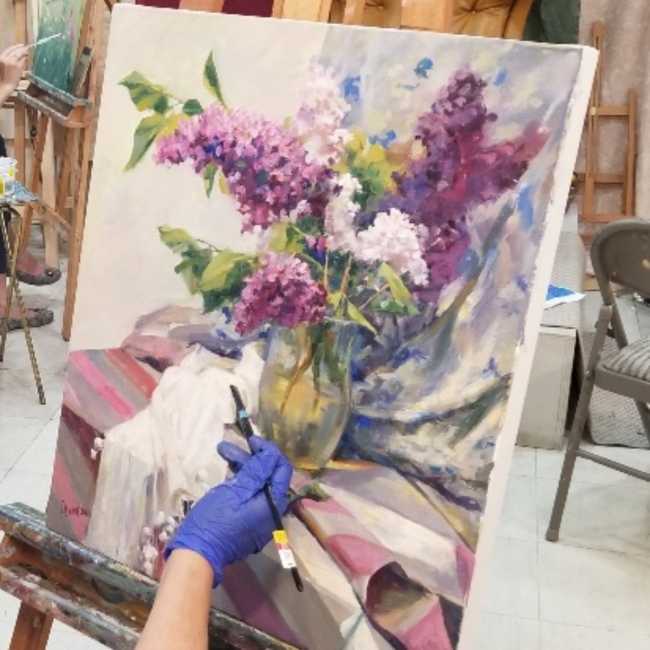
Whether you are painting portraits or landscapes, perspective is one of the critical oil painting techniques you must know. The other one involves gaining a deep understanding of color temperature. Both together can help amateurs and learners create masterpieces they can be proud of.
That is why today’s blog from VR School of Art – one of the most well-loved drawing schools in North York, Ontario- will help you understand the difference between warm and cool colors, thus supporting the creation of more natural-looking paintings.
Oil painting classes, such as the ones we teach, focus on educating students about color temperature early on.
Simply put, color temperature refers to how warm or cool a color appears. For example, shades of blue, green, and violet fall under the umbrella of cool colors; whereas reds, oranges, and yellows can be categorized as warm colors.
It is important to remember that every color’s temperature leans towards either the cool or the warm side, depending on the shades they have been mixed with
If you are taking oil painting lessons from a good institute, like VR School of Art, you will be taught how different shades and color temperatures can be used to create interesting visuals. Instead of purely relying on light and dark values, these classes will teach you how striking the right contrast can make a painting come alive.
Recognizing temperature differences within the spectrum of the same shade can help you create more accurate paintings. For example, different shades of blue can be either warm (purplish) or cool (greenish).
Warm shades create the illusion of appearing closer, while cool colors appear distant. By combining the two, you can create a sense of space in your artwork.
Random shade combinations might help you create contrast, but they will not give your painting that realistic, desired look. Learning to adjust color temperature to suit the theme of your painting can help.
Grasping the concept of color temperature is vital for students as it allows them to move beyond basic color blending, thereby helping them make dynamic oil paintings that look more true to life. VR School of Art’s oil painting classes in North Folk, Ontario, help students master both basic and advanced techniques of oil painting. Contact us to learn more about our upcoming art class schedules.
While it can feel like an abstract concept at first, under the right guidance, most students can get the hang of color temperature and how they can use it to their advantage.
Yes, it is not restricted to oil paintings alone. It is a concept fundamental to landscapes, portraits, still life and abstract art.
Artists may use their creative independence and bend the rules to suit the theme of their paintings.