
Phone: (647) 894 7706
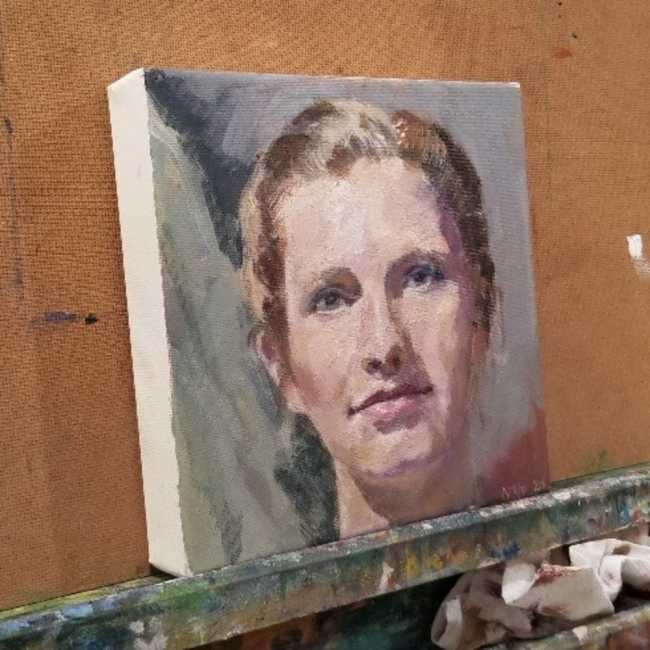
In post-beginner drawing classes, students get to enter the big leagues. Advanced sessions help them refine their skills, including shading, proportions, and edge control.
Edge control, in particular, is an interesting concept advanced students get to learn. Defined as the ability to vary the definition of elements within the drawing, edge control is critical in creating proper visual hierarchy.
In today’s blog, VR School of Art, Toronto’s best art school for advanced learners, will discuss edge variation and how it can support the creation of both realistic and surreal compositions.
Edge control is a critical part of advanced drawing classes. There are basically three types of edges students need to know about:
Hard edges are used to create clear and strong transitions between two different elements in a sketch or a painting. These edges help to draw the viewer’s attention to the main focal area of the artwork.
Soft edges are used to create gradual transitions between two or more elements. They help different forms to blend more gently into one another, making that part of the painting look distant or more atmospheric.
The most interesting of the three, lost edges denote the absence of a definite contour. They are typically used when two or more areas of a painting share similar values. What’s unique about them is that despite the lack of clear outlines, the viewer’s eyes can still complete these ill-defined shapes successfully.
Edge variations are an integral part of most artwork, and it is up to the artist to use them to their advantage. Instead of giving equal weight to all edges, young artists must learn to use edge control to create visual hierarchy in their compositions. For example, hard edges make for strong focal points, while soft and lost edges can be great for fleshing out supporting or background details. This helps in guiding the viewer’s vision through the drawing in a more organic manner.
As students progress and take advanced drawing lessons in Toronto, they truly start understanding the importance of edge control in painting. Instead of viewing them as simple boundaries, they learn to use them as creative tools that give them the flexibility to lend character and depth to their paintings.
VR School of Art’s advanced courses teach students how to sharpen, soften, or lose edges to make their artwork more visually engaging. Contact us to enquire about our progressive art courses and how they can help you hone your skills.
They are intentional. Lost edges are used to create an atmosphere or subtle transitions so the painting looks more fluid rather than rigid.
Charcoal, graphite, and conte are the best mediums as they enable the creation of a wide range of transitions, including soft and harsh ones.
They are not necessary but hard edges are visually more striking. Intelligent use of these edges can make a painting look more balanced.