
Phone: (647) 894 7706
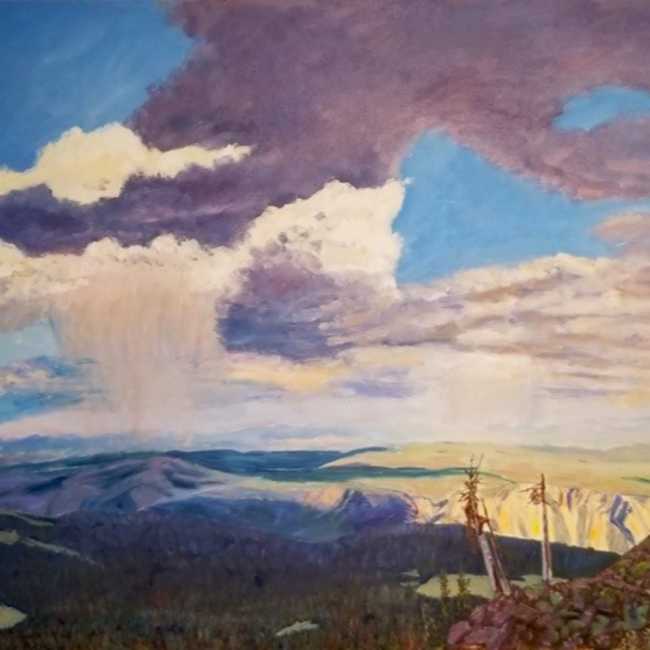
One of the biggest challenges in plein air painting is not just avoiding common mistakes – it’s learning how to choose a focal point for the painting when almost every element looks important.
Real-life outdoor scenes are dynamic. Visual elements such as trees, buildings, shadows, pathways, clouds, and changing light conditions can alter the scene completely. Without choosing a focal point among them, plein air paintings can end up looking chaotic and tough to read.
At VR School of Art, North York’s most comprehensive art school for kids and adults alike, we teach students that a successful landscape painting is not about adding every single element they see. Instead, it starts with picking an area of interest that serves as a guiding light for the entire composition.
The first thing students are taught in plein air oil painting classes is to pick a subject for it.
How? That’s easy.
All students have to do is observe their surroundings. The object that arrests their attention the most will naturally become the focal point of their painting. This could be anything – from a sunlit tree to a dramatic shadow or a brightly colored car on the street. The idea is to choose a visual anchor and paint it.
For most beginners, the largest object in their viewpoint becomes the subject of their painting. But experienced artists and professional Toronto art school teachers know that the most interesting focal points lie in the contrasts, the colors, the shadows, or the light in a scene. The moral of the story is that size alone does not determine the visual interest of a plein air painting. Anything striking can take its place.
Plein air oil painting classes also teach students how to control contrast to create a focal point. For example, areas in a scene that have richer color variations or sharper edges are likely to be more visually attractive than those with muted colors or softer edges. By focusing on a single contrasting element, students get the flexibility to simplify the less important sections of the painting so the main one truly stands out.
The objective of plein air oil painting classes is to help students bring clarity to their paintings. Outdoor environments are saturated with information. Learning how to identify a strong focal point among them can help students create a painting that looks visually organized and engaging.
At VR School of Art in North York, we help students grasp the basics of plein air painting via structured and comprehensive art lessons. Contact us to learn how we can help students create more intentional artwork.
Generally, most plein air paintings have one dominant focal area. It can have secondary areas of interest, but they should support the central focal point.
Not always. Some artists tend to find their focal point after developing a rough sketch and thoroughly studying the scene in front of them.
Yes. Even a small area of vibrant color in the middle of muted shades can immediately capture the audience’s interest!