
Phone: (647) 894 7706
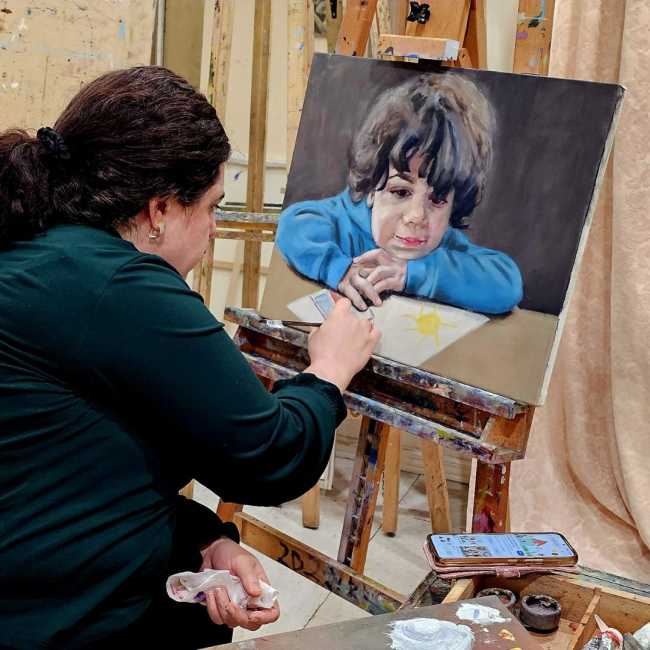
Glazing is a specific technique used in oil paintings to create a subtle glow or luminosity in the artwork. This centuries-old technique is taught in many oil painting classes. In this blog, VR School of Art, a major art school in Toronto offering drawing classes, explores the basics of this process and things budding artists must keep in mind to perfect this technique.
In essence, the glazing technique involves using or applying thin, almost translucent layers of paint over a base of already dried paint. The new layers are built up subsequently until the desired effect is achieved.
Firstly, the artist must sketch or outline the subject matter they wish to paint during their oil painting classes. Next, a base layer of paint is applied to this sketch, using either a brush or a palette knife. Once the paint has dried, a thin layer of paint is applied gently atop the dried paint. The process is repeated over and over until the perfect depth is achieved. Budding artists should look for an effect of depth where the light reflects off the base layer, providing a subtle, lifelike glow to the entire painting.
Although visually rewarding, glazing can be tricky for budding artists. Here are some things to keep in mind for the best results:
- The consistency of the glaze should be perfect. If it is too thin, the desired effect may not be possible. Conversely, if it is too thick, the paint may not mix properly or evenly.
- Use steady hands and add layers delicately, as there is a tendency to leave streak marks among amateur painters.
- For the process to work perfectly, each layer of paint, including the base paint and glaze, must be allowed to dry completely. This requires a high level of patience and judgement.
- Artists must have a good understanding of colour theory, as the wrong colour mixes can ruin the overall effect of the glaze.
However, if these factors are considered and mastered, glazing is an excellent way to breathe life into your oil painting.
In summary, glazing is an excellent technique taught in oil painting classes. That being said, there are a few challenges one must face while mastering this technique, so some experience is recommended.
To learn more about different techniques taught in oil painting classes and drawing classes, reach out to us at VR School of Art today. As a leading art school in Toronto, Ontario, we offer a variety of classes for kids and adults alike. Contact us at 647-894-7706 today to learn more about our curriculum.
The glazing technique was invented and popularized during the Renaissance period by master artists such as Leonardo Da Vinci, Rembrandt, and Titian.
Major techniques used in oil painting include impasto, alla prima, glazing, underpainting, and more.