
Phone: (647) 894 7706
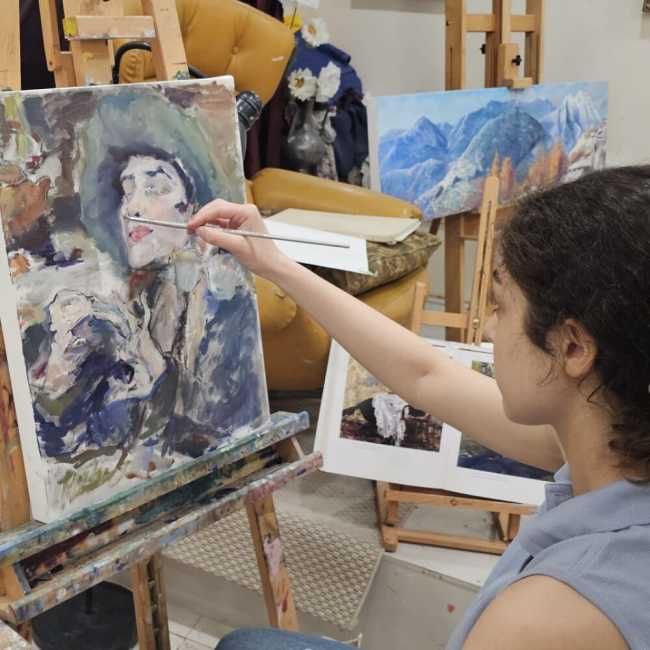
When it comes to beginner-friendly art lessons, nothing quite beats oil painting classes. An exciting medium to start with, this form of painting comes with its own learning curve. Excelling in oil painting requires patience, practice, and the ability to learn from your mistakes.
So don’t worry if you find yourself making a few errors in your first class. They can be a fun lesson! In today’s blog, VR School of Art – Toronto’s leading art school, will show you how to fix rookie mistakes in oil painting.
For beginners, the excitement of starting oil painting lessons is real. This excitement can often lead to applying thick layers of paint from the start, making it difficult to blend colors.
The Fix: Starting with thin layers will help you build up your painting’s color profile as you progress and will prevent muddiness.
Excessively blending the colors you use can rob your painting of its freshness and vibrancy.
The Fix: Blend colors only when it's absolutely necessary to preserve your painting’s unique details. Allowing your brushstrokes to be visible will give your painting a new lease of life.
Painting directly on the canvas without planning your composition is a common mistake for beginners, but it is easily fixable.
The Fix: A simple sketch with a light pencil or highly diluted paint is enough to give your artwork structure.
The problem with using multiple colors at once is that it makes most artwork look muddy.
The Fix: Art instructors in oil painting classes advise having a few key colors on your palette only and mixing them effectively to achieve wonderful results.
When you are learning something new, mistakes are a part of the learning process. VR School of Art’s oil painting lessons in Toronto focus on teaching kids and beginners how to fix common painting errors and create beautiful artwork. Contact us to learn more.
Color mixing and layering are often the most difficult aspects of oil painting, and most beginners struggle with them.
The speed at which one gets the basics of oil painting right varies from student to student. However, it can take a few months to get comfortable with this painting style.
No. All you need is a basic set of paint, brushes, and canvas to get started.